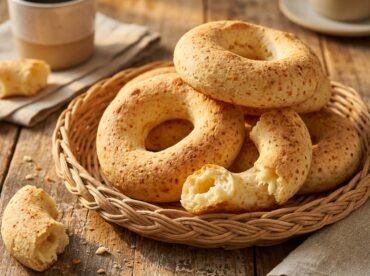
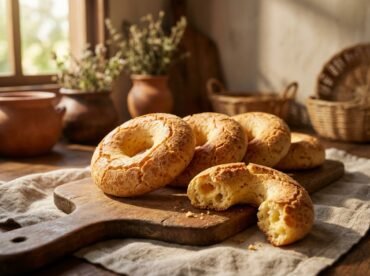
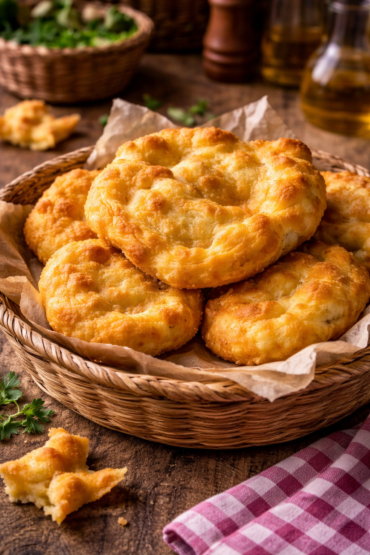
Chipa is more than a recipe. It’s a memory you can hold in your hands.
Long before it had a name, the Guaraní were already shaping small rounds of dough made from avaty (corn), water, and fire. Simple, sacred, shared. Food wasn’t just nourishment — it was connection, a way of honoring the land and each other.
When the Jesuits arrived, new ingredients entered the story: cheese, milk, eggs, pork fat, and the ingredient that would define chipa forever — cassava starch. From this meeting of cultures, the chipa we know today was born: golden, aromatic, elastic, and unmistakably Paraguayan.
Over generations, chipa became a ritual. Every Holy Week, families gather to knead together — a choreography passed down through hands, not words. The tatakuá warms, the anise perfumes the air, and the house fills with that unmistakable scent of belonging.
Fresh from the oven, chipas are packed into baskets, shared with neighbors, taken on long trips, or eaten warm right at the table. And no matter where life takes you — Asunción, Ciudad del Este, Lima, Madrid — one bite of chipa always tastes like home finding you again.
Today, chipa remains a symbol of identity. A reminder of roots. A small celebration of who we are and who we share our table with.
Because in Paraguay, chipa isn’t just eaten. It’s offered. It’s shared. It’s remembered